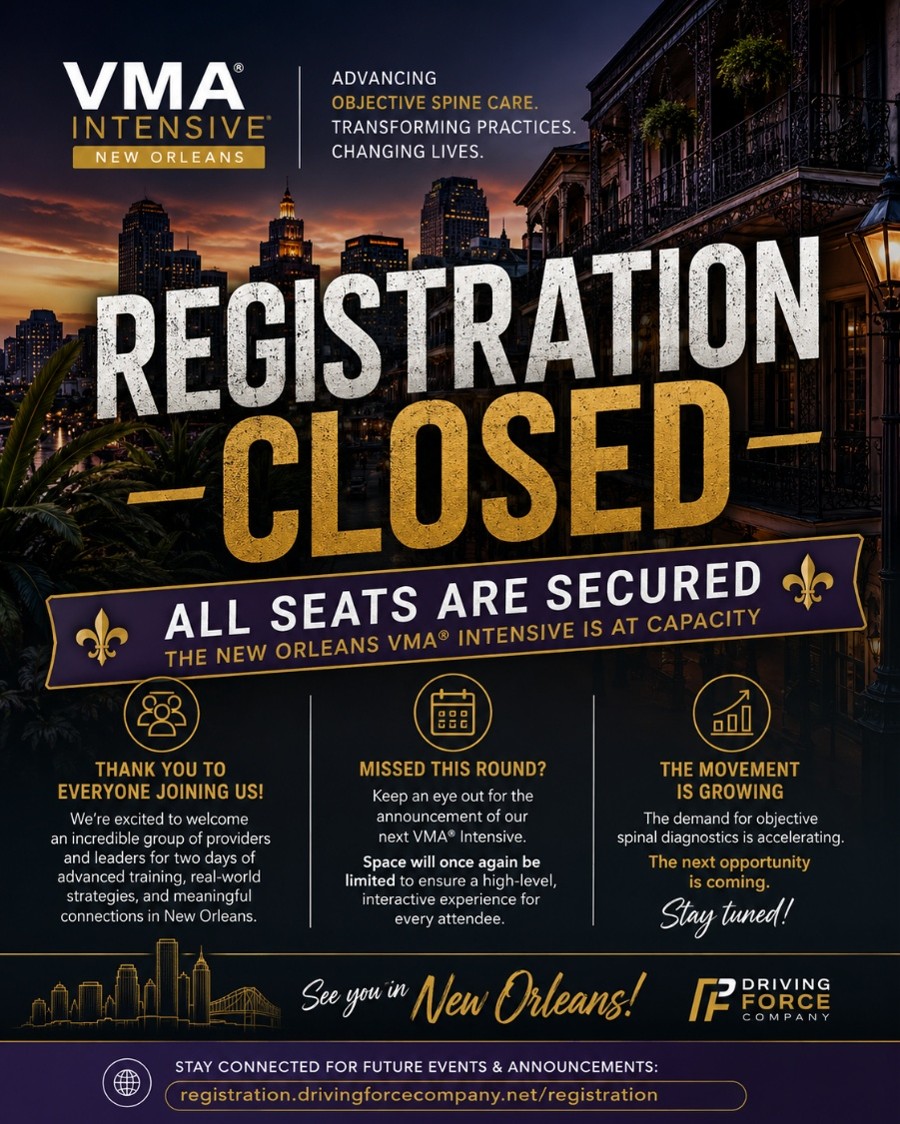
Limited to 15 Seats | June 12th | New Orleans.
The Difference Between a Busy Practice…
and a Scalable Business.
A Private Intensive for Providers & Healthcare Business Owners. Featuring Guest Speaker Steve Adams.
10 2 seats left
10 2 seats left
Most providers never actually build a scalable business.
They build a high-income job.
A bigger practice.
More patients.
More staff.
More overhead.
More pressure.
And eventually, growth stops feeling like freedom… and starts feeling like survival.
Every decision depends on you.
Every operational issues land on your desk.
Every new location, employee, or service creates more complexity instead of leverage.
From the outside, the business looks successful.
Inside, it feels heavy.
That’s the hidden ceiling trapping many providers between 7 and 8 figures.
Not lack of intelligence.
Not lack of work ethic.
Not lack of opportunity.
Lack of scalable systems.
Why This Event Matters
Most healthcare events talk about marketing. This one is different.
This private intensive is focused on something far more important:
How to build a business that grows without becoming completely dependent on you.
Because the providers who truly scale think differently.
They stop chasing random referrals.
They stop competing on the same commoditized services.
They stop building practices that collapse if they step away.
Instead…
They build infrastructure.
Operational leverage.
Strategic partnerships.
Defensible positioning.
Systems that create enterprise value.
That’s how real scale happens.
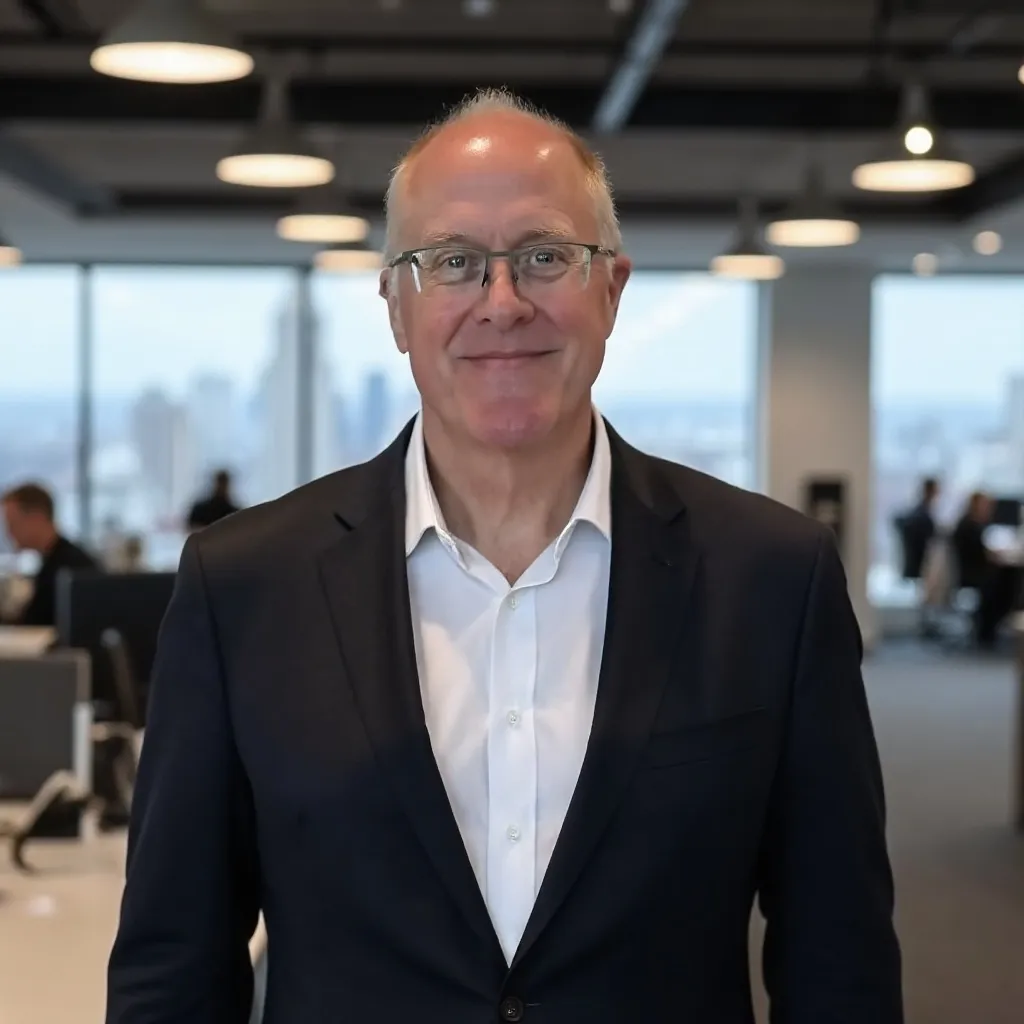
Meet Steve Adams
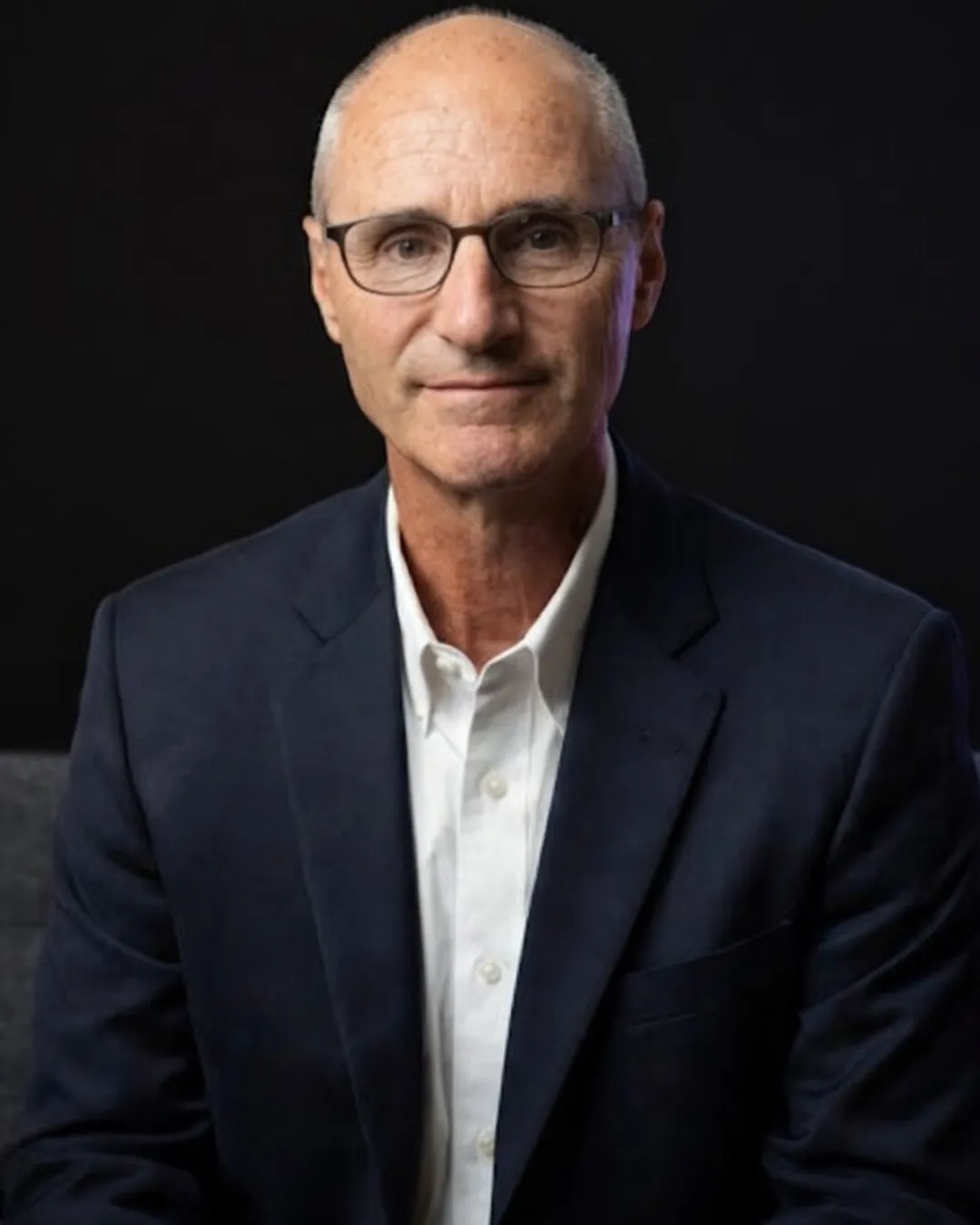
Steve Adams
GUEST SPEAKER
Steve Adams built Pet Supplies Plus into a 9-figure business through systems, operational control, scalable leadership, and infrastructure.
But during that process, he discovered something most entrepreneurs realize too late:
You can build massive financial success while quietly destroying your health, energy, relationships, and quality of life.
After exiting the company, Steve shifted his focus toward solving that problem.
That journey led to the creation of Tiger Medical Institute, where he applied the same principles used to scale a 9-figure company… to optimizing human performance, longevity, and sustainable growth.
Today, Steve works with high-performing entrepreneurs, CEOs, and operators who want to perform at the highest level in business without sacrificing themselves in the process.
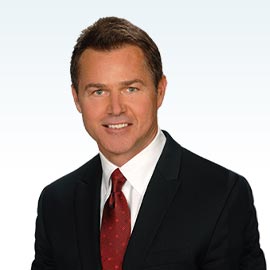
Dr. Lyle Schween, D.C.
MULTI-LOCATION PI REVENUE BUILDER · TRAINING CENTER HOST
Dr. Schween built multi-location PI referral pipelines using VMA® from the ground up. He presents the exact revenue stacking model diagnostic control, referral multiplication, precision treatment, and multi-location scale that took his organization from one location to a $5M+ system. This is the blueprint session.
"If you don't control the diagnostic... you don't control anything."
— Dr. Lyle Schween, D.C.
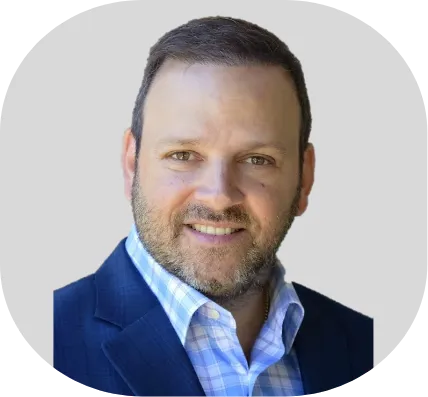
Sam Frentzas
CO-FOUNDER
DRIVING FORCE COMPANY
Co-creator of the VMA® Domination Framework. Sam works with medical groups across the country to show them how territorial exclusivity transforms your referral strategy from outreach into ownership, and how to build a pipeline that compounds because it is protected. His session covers how exclusive VMA® territory ownership creates a referral pipeline your competitors literally cannot access. When you hold the territory, you hold the relationships, the cases, and the case flow.
"Referrals follow results. Not relationships."
— Sam Frentzas
Dr. Bernard Landry, M.D, F.A.C.R
RADIOLOGY AUTHORITY4
2,500+ VMA® READS
The radiologist who has read more VMA® studies than almost anyone in the country. Dr. Landry breaks down how quantified motion data eliminates the subjectivity that opposing experts rely on and why precise numerical findings shift the entire conversation in PI cases.
"Precise numerical data shifts cases from opinion to fact."
— Dr. Bernard Landry, M.D., F.A.C.R.
This Is Not a Motivation Seminar
This is a room for providers who already know how to work hard.
The question is:
Are you building something scalable… or simply becoming more valuable to your own business?
Most providers are stuck operating reactively:
Chasing referrals.
Constantly managing staff issues.
Competing in crowded markets.
Working harder every year for incremental growth.
Building businesses with very little leverage.
Becoming trapped inside daily operations.
The providers who break through build systems that:
Create predictable growth
Increase enterprise value
Differentiate them in crowded markets
Attract stronger referral relationships
Reduce dependency on the owner
Allow scale without operational chaos
That transformation changes everything:
How your practice operates.
How referrals view you.
How your business is valued.
How you scale locations.
And ultimately… your quality of life.
Why Advanced Operators Are Moving Differently
The most successful healthcare businesses today are simply not adding more services. They’re building strategic infrastructure.
They’re implementing technologies, systems, and partnerships that create:
Greater control
Stronger positioning
Increased profitability
Better operational leverage
Long-term enterprise growth.
This is why advanced operators are implementing technologies like Driving Force Company’s VMA® system not simply as another service… but as part of a larger strategy to create a more defensible and scalable business model.
What You’ll Leave With
By the end of this intensive, attendees will leave with:
A completely different perspective on scale.
Greater clarity on operational leverage.
New relationships with high-level operators.
A deeper understanding of enterprise growth.
Insight into building systems that create freedom instead of dependency.
Strategic ideas for creating a more scalable healthcare business.
Bonus for Approved Attendees
Approved attendees will receive a complimentary copy of Steve Adams’ new book:

The Hidden Crisis: Why High-Performing Men Are Quietly Falling Apart — And How To Reverse It Before It’s Too Late.
Inside the book, Steve reveals:
Why “normal” labs can still leave high performers exhausted.
The hidden cellular dysfunction most medicine overlooks.
Why fatigue, brain fog, poor sleep, anxiety, and burnout are signals not aging.
The framework he uses to help entrepreneurs reclaim energy, performance, and longevity.
This isn’t a wellness conversation. It’s a performance conversation. Because the business you’re building is only as strong as the person leading it.
Private Crawfish Boil | June 13th
Following the intensive, approved attendees will be invited to a private Crawfish Boil featuring:
Leading PI attorneys.
Healthcare providers.
Strategic business owners.
Union leadership.
Elected officials.
High-level operators and entrepreneurs.
This is designed for relationship-building, strategic conversations, and high-level networking in a private setting.

— Attendance Is Limited & Approval Based —
The Difference Between a Busy Practice…
and a Scalable Business.
June 12th, 2026 | New Orleans, Louisiana
This is not a public seminar.
This is a private intensive designed for serious operators, growth-minded providers, and healthcare business owners who understand that the next level of growth requires a different way of thinking.
If your practice is already successful… but you know your current model eventually caps your growth…
This is a room worth being in.
To Register Fill Out the Form Below.
10 6 seats left
Privacy Policy · Terms and Conditions.
Scalable Business Intensive for Healthcare Owners · June 12 · New Orleans, Louisiana
© 2026 VMA®. All rights reserved. Territories are limited. Pricing subject to change.